




PP
Polypropylene
Temperature range: -18ºC up to 100ºC
Ideally suited for Microwave packaging
"From the freezer to the microwave"
Polypropylene is a thermoplastic resin, belonging to the group of polyolefins which includes polyethylenes and polybutenes, with a wide range of properties and great ease of processing.
These characteristics have allowed for continuous growth in the worldwide consumption of this material.
Polypropylene is a semicrystalline thermoplastic, produced through the polymerization of the monomer propene, using a stereospecific catalyst to form long chains. The macromolecules of polypropylene can contain thousands of monomeric units. The term stereospecific of the catalyst refers to the ability to control the position of the methyl group in the polymer chain in an orderly manner.
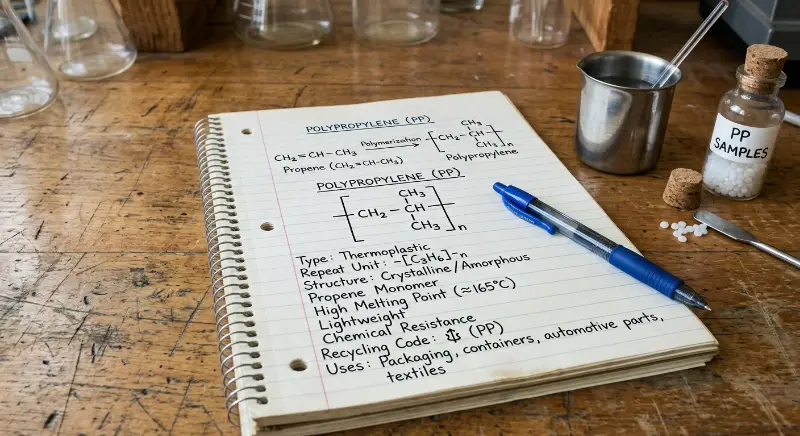
The majority of commercial polypropylene is of the "isotactic" type, in which most of the propylene units are "head-to-tail" linked, forming a chain with all methyl groups oriented to the same side. This stereoregular structure favors the development of crystalline regions, which, depending on processing conditions, allows for a crystallinity between 40 and 70%.
Among the numerous properties of this material, the following can be highlighted:
High resistance to fatigue by bending, making it suitable for applications in integral hinges.
High chemical resistance, not being attacked by the vast majority of chemical products at room temperature.
Good impact resistance at room temperature for all types of polypropylene.
It has high rigidity, superior than most commercial plastics.
Very low electrical conductivity.
Excellent transparency by contact.
Low water vapor permeability.
High surface hardness.
Very low water absorption.